

it's just chairs
we have those at home

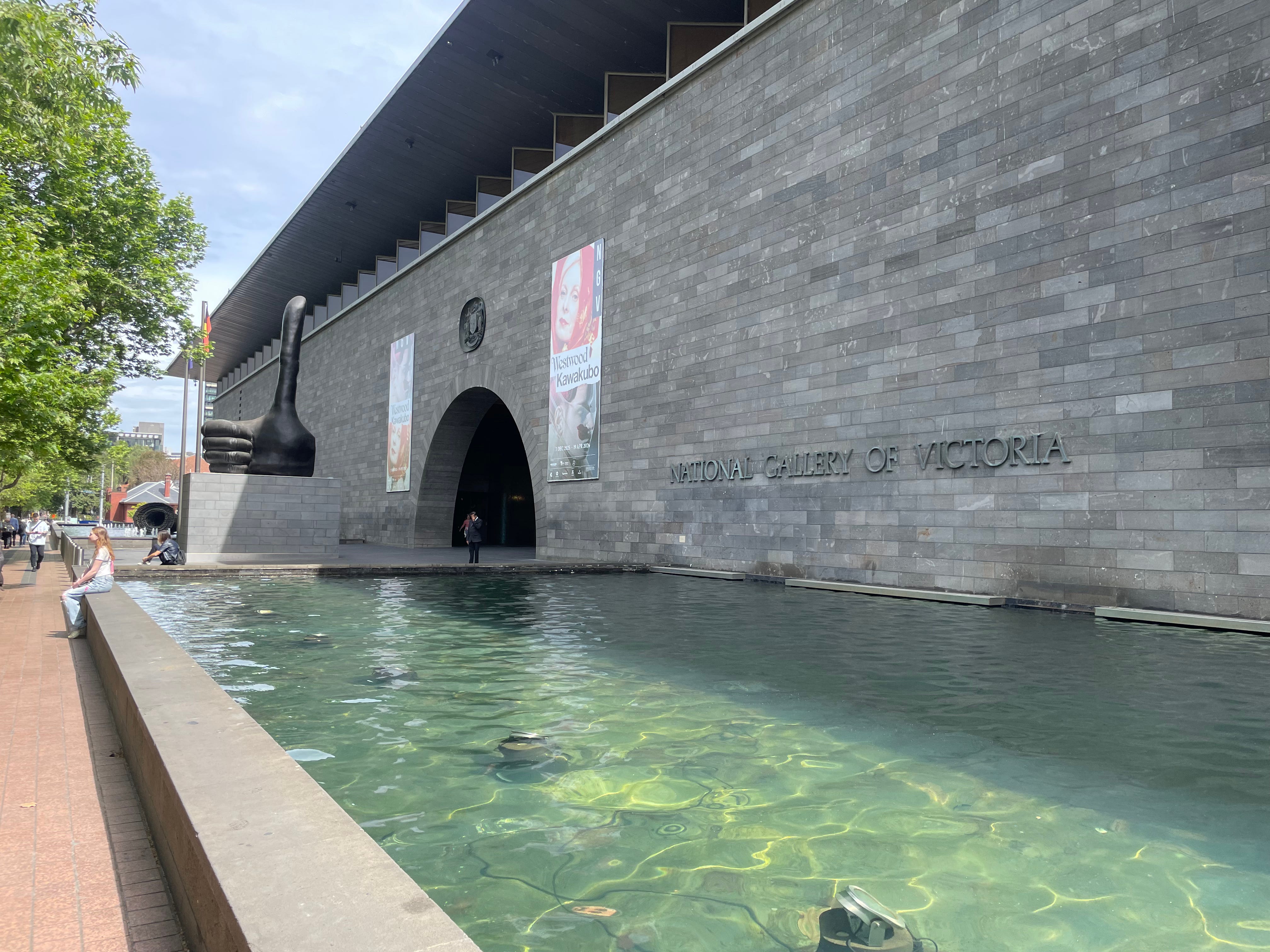
When is a chair a chair and when is it art?
At the National Gallery of Victoria, there is an abundance of chairs. Some chairs are meant to be sat in, a place to rest while you admire the art. Others are strictly to be admired, differentiated with a polite sign in grey italics “please do not sit” to ward off the weary.
I came to the NGV on a Tuesday because the weather was nice and there was nothing to do at home before I had to work later that evening.
I’ve never been a gifted visual artist, but I’ve always loved art museums. I’ve been to many around the world, but the NGV is one of my favorites. There’s no big famous show stopping piece like a Starry Night or a Mona Lisa, but I think the collection as a whole is really incredible. It’s easy to see that a great deal of care and outside-the-box thinking goes into curating pieces and designing the galleries.
The collection is categorized into broad sections like International Art, Asian Art, and Contemporary Art. While I love a museum where I can direct myself to the Impressionist Room to surround myself in the soft pastels and loose forms of artists like Monet and Renoir, I also like the mystery of walking into a newly reconfigured NGV gallery not knowing what to expect.
Since I didn’t have time for a full comb through, I decided I would start with what interested me the most and go from there. On this visit, I felt immediately drawn to the contemporary art collection. Located on the third and smallest floor, this is typically my last stop before leaving. I wanted to start here, with fresh eyes. I headed up the escalators and assumed the slow, contemplative pace of a good museum-goer.
One of the best parts of visiting a museum alone is the people-watching, and there is no better room for people-watching than a room full of contemporary art. It’s easy to be serious to the point of boredom in rooms full of dark Dutch portraits and countless still lifes of fruit bowls and dead pheasants. That kind of technical mastery and historical significance is what you expect from an art museum, but the intended audience for those kinds of works are long dead. It’s hard for modern eyes to view them in the right context.
Contemporary art, on the other hand, is specifically made to be viewed by contemporary people, with an understanding of exactly the contemporary issues they’re commenting on. I’m not saying there’s not still value in older art, but I am saying it’s more fun to watch people look at contemporary art.
I love seeing people laugh at the absurdity of a piece, because we forget that art can be funny! And stand long enough next to a Rothko and you’ll see two types of people: the ones who say “I could have painted that,” and the ones who lose themselves in the illusion of vast dreamlike horizons created by just a few simple colored shapes. Both are valid reactions!
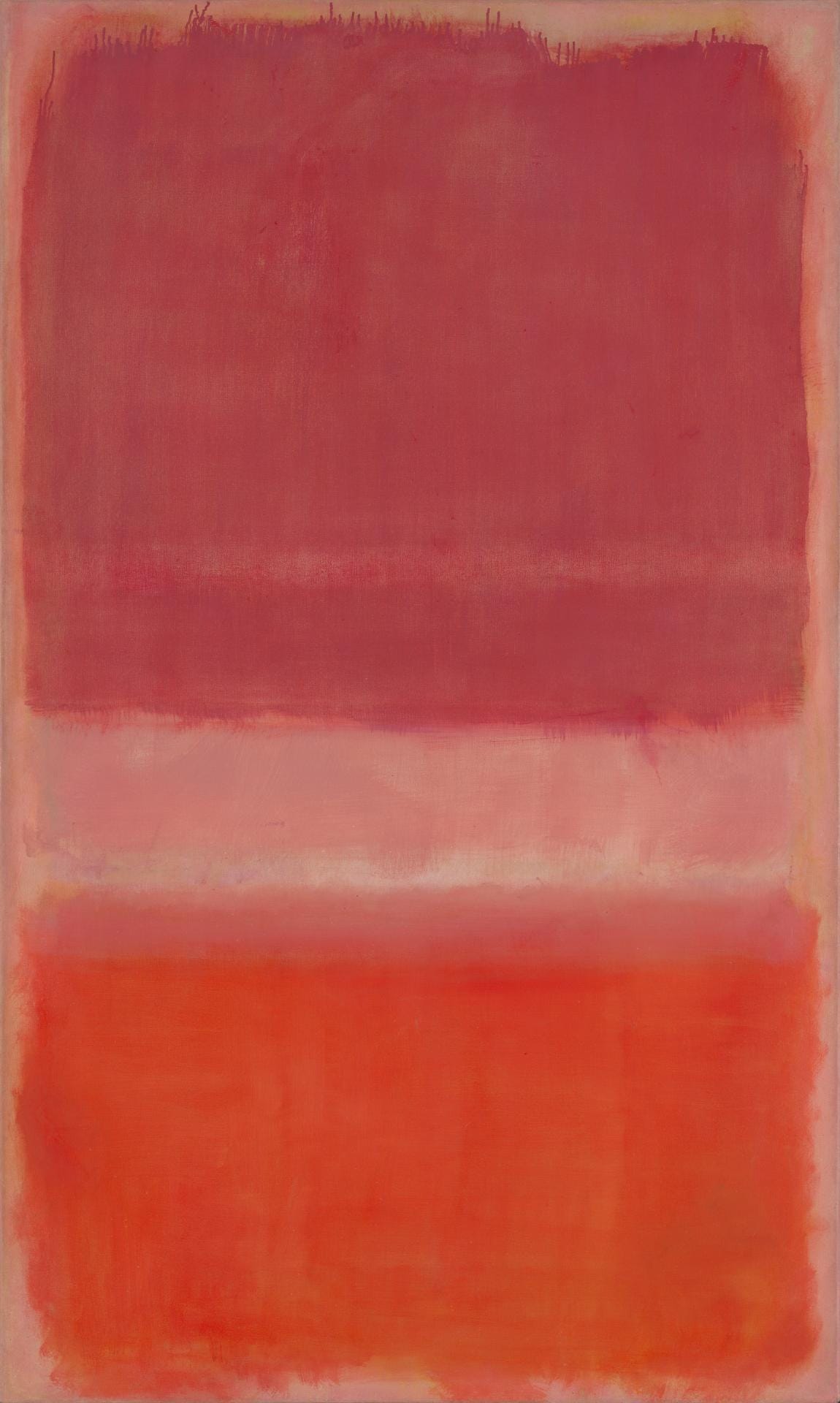
Art isn’t meant just to be looked at, it’s meant to be questioned, explored, even argued. And art isn’t found exclusively on the walls of museums either.
The NGV does an excellent job of highlighting design as one of the most pervasive and overlooked forms of art. From clothing to furniture to kitchenware, everything displayed at the NGV is elevated to the same status as any of their oil paintings by long-dead European artists.
Melbourne Fashion Week is this month, and the NGV has seized this opportunity to highlight some pieces in their collection by famous fashion designers. Tucked away in a corner by the escalators was a 1960s space-age Paco Rabanne dress from the collection “Twelve Unwearable Dresses”. It’s a dress I’ve seen online before, but I never expected to see one in person. Made of aluminum panels connected by metal links, it looks like it could be part of a suit of armor from the middle ages and yet also like the uniform of an alien cocktail waitress. If the museum world wasn’t so on edge because of the whole Louvre heist thing, I might have just taken it.
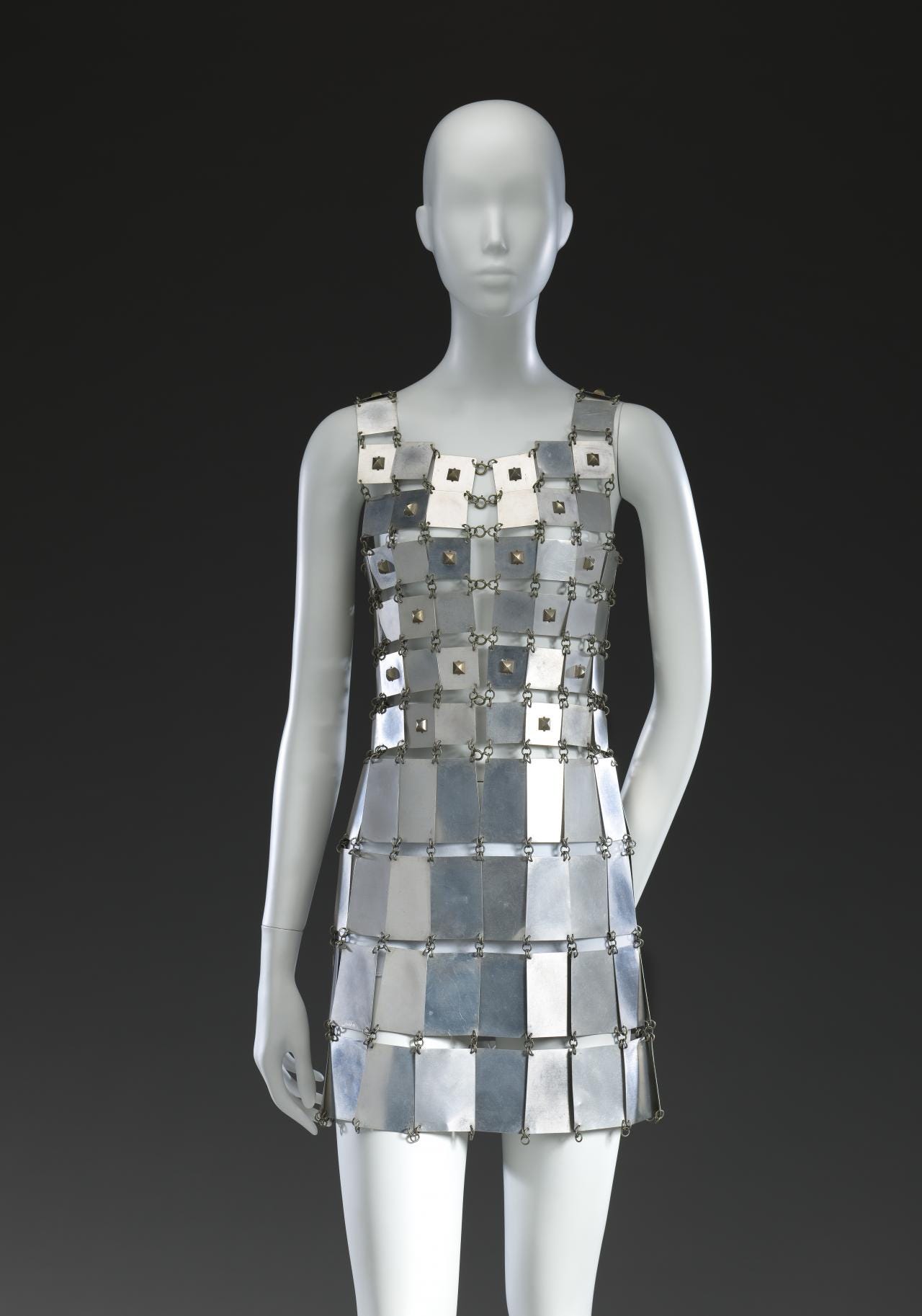
With Fashion Week, the abundance of mannequins in designer clothes scattered throughout the building made sense to me. What made less sense was the other recurring theme: chairs.
The first room I entered had a chair made of one continuous piece of red plastic, next to an oversized desk lamp. Nearby were two small Japanese butterfly stools.
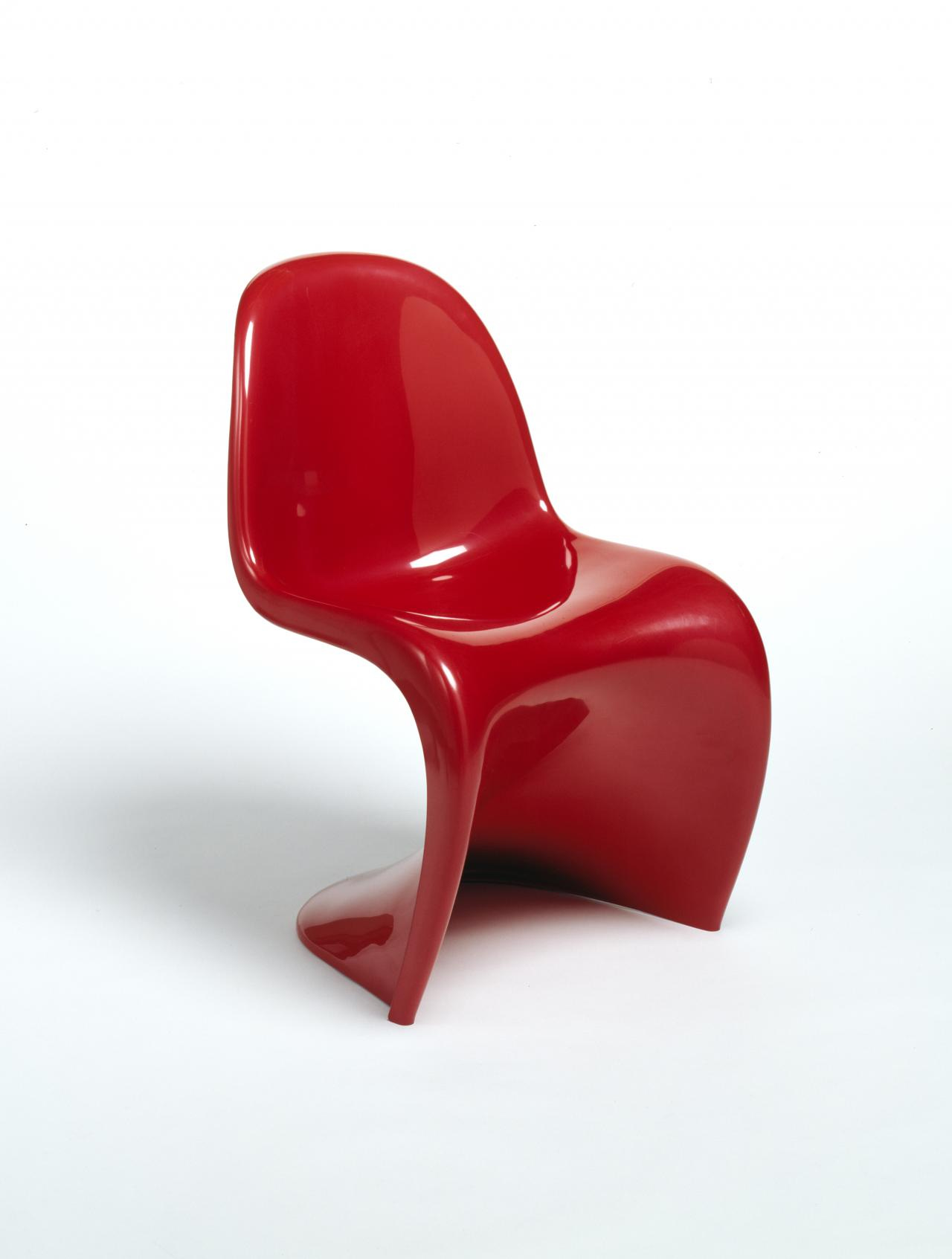
In the next room, more chairs. Armchairs, desk chairs, dining chairs, lounge chairs. All vibrantly colored and very modern looking, with sleek designs that looked inviting, but not always comfortable.
Still walking at my slow, contemplative pace, I’ve passed and been passed by a group of young European tourists a few times now. Now in another room full of chairs, one of them says “Let’s go, I have this at home it’s just chairs.” I don’t blame him, it was a lot of chairs. They had likely started on the first floor and were reaching the end of their art-viewing capacity, whereas I was just beginning. I don’t think the chairs took it very personally, but it was a comment that stuck with me during the rest of my visit.
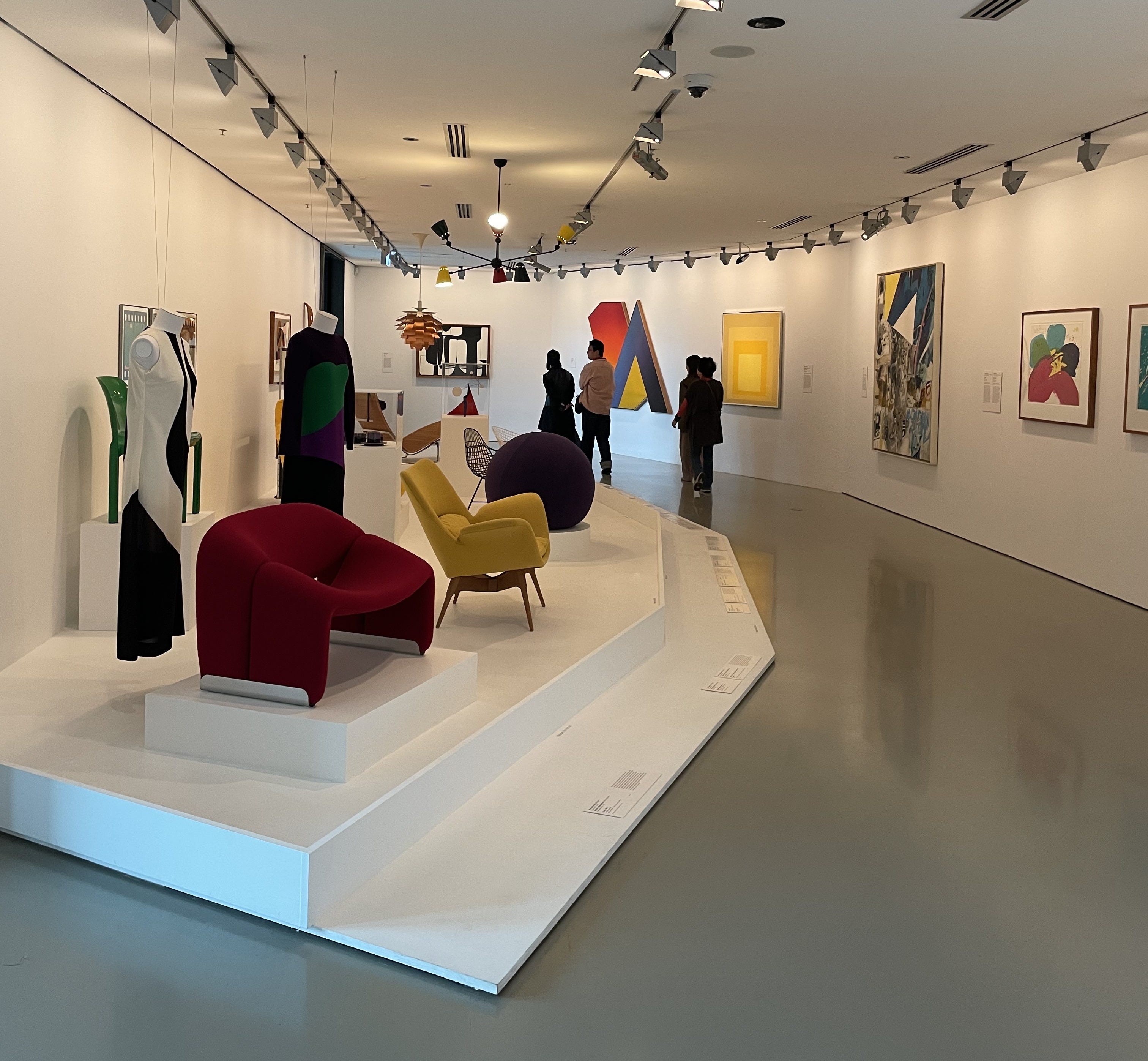
Were they just chairs? Or were they more than that?
There were a few things to consider. First, a chair is a piece of furniture designed to be sat on. A chair that cannot be sat in therefore might become more art than chair. Still, the design of the chair has nothing to do with whether or not it’s used as intended, and every chair is designed to be sat in whether or not any sitting actually happens in that chair. Or, as Luther Vandross would say, a chair is still a chair, even when there’s no one sitting there.
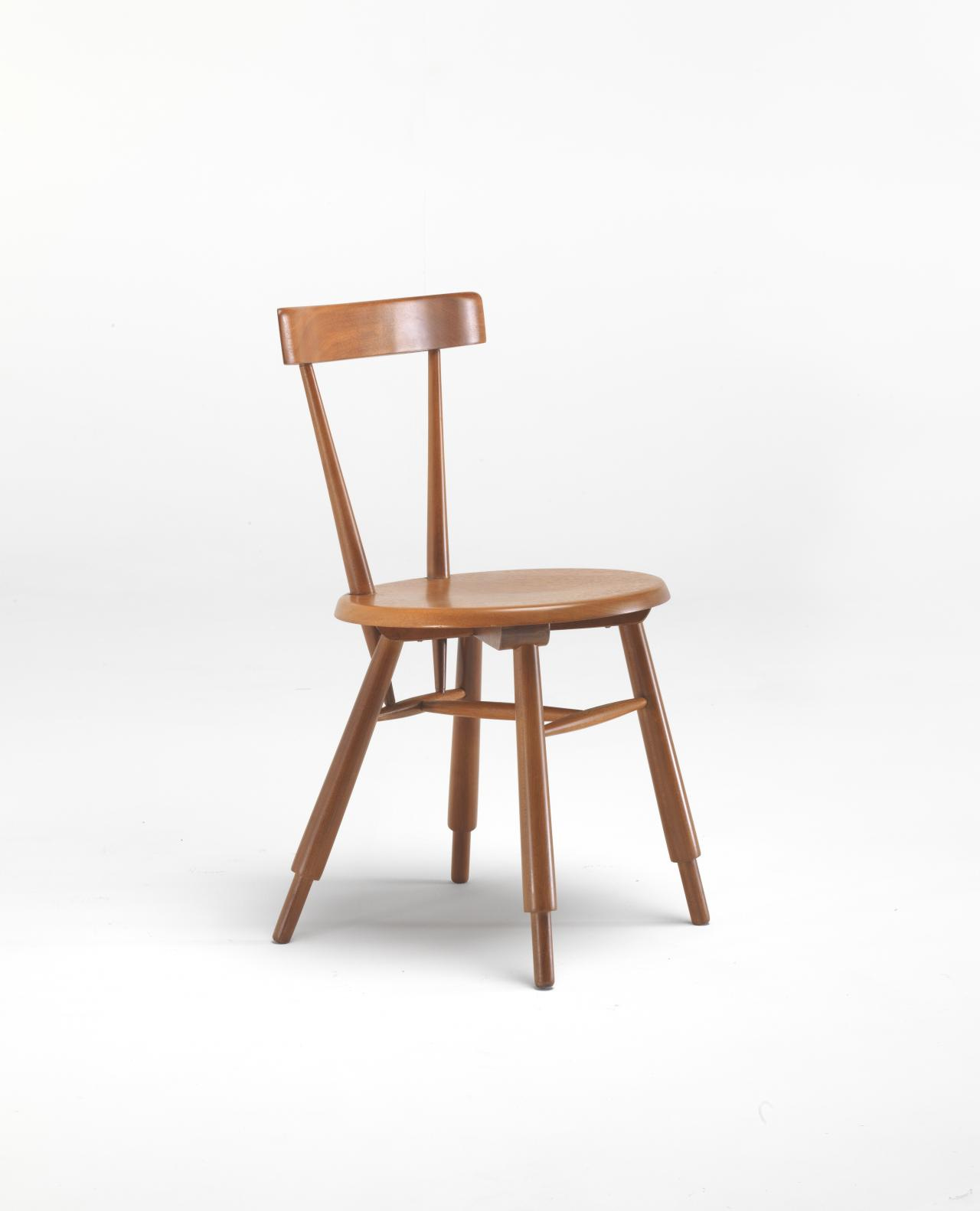
In displaying an ordinary object such as a chair, the NGV’s curators are asking us to look beyond the ordinary to see the art in the everyday. With a bit more thought, it becomes clear that of course a chair is a work of art. A chair consists of both form and function, and the relationship between the two. A chair may be intended for work, or lounging, or lingering, or waiting. This is reflected in its design, to the point where we can tell what kind of sitting you’re supposed to do in a given chair without even sitting in it. Then culture plays a role, because people rest differently around the world. A simple chair then becomes a study of design, inviting you to question its intended purpose and whether its appearance reflects that.
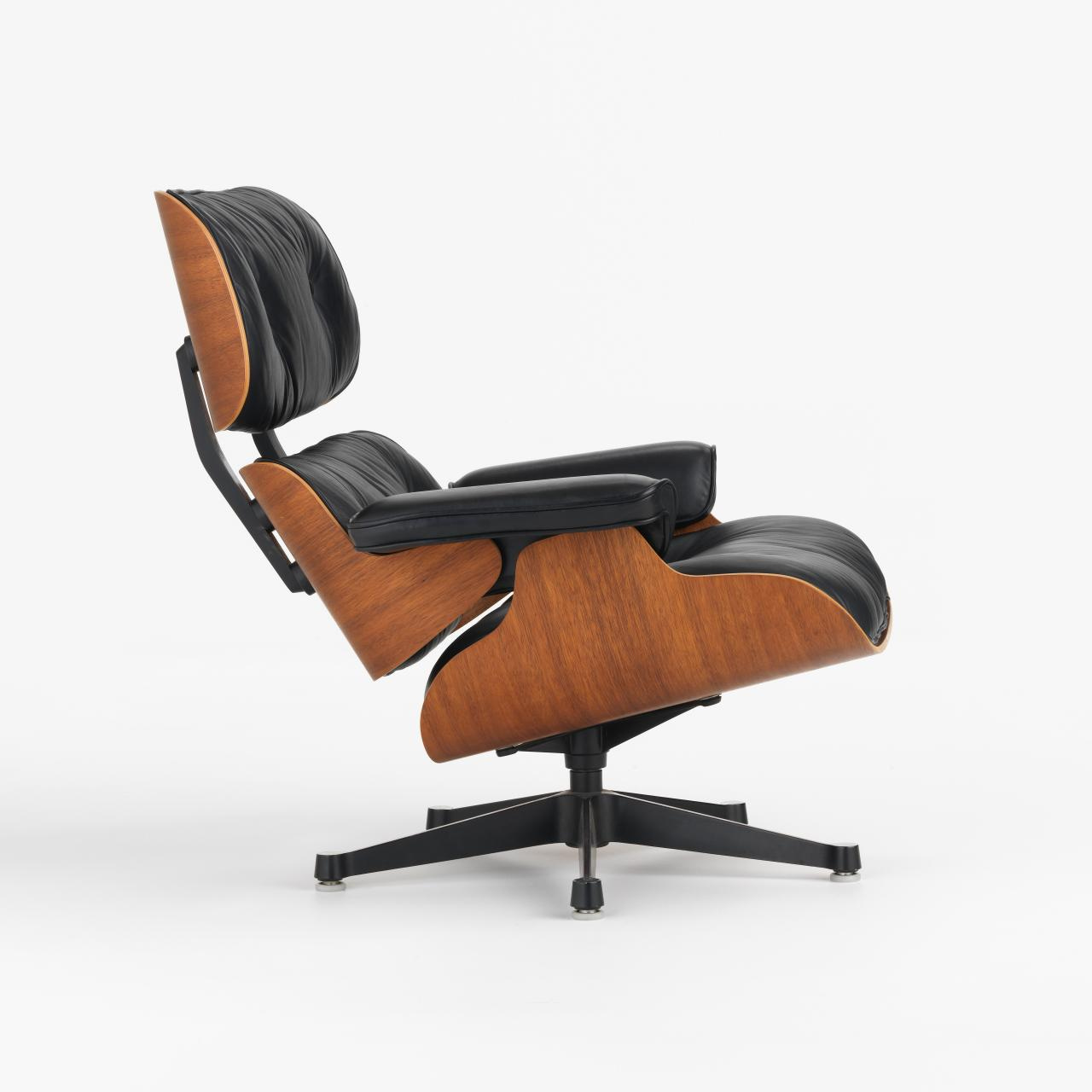
But the more I thought about what made these chairs special from the ones I have at home, the more I realized they weren’t. Putting an object on display in a gallery doesn’t suddenly transform it into art. But considering the artistic merit of ordinary objects can remind us that everything around us is art, not just the objects in museums. Everything around us, at least while AI is still in its infancy, is a product of human thought and human design.
The vast collection of the NGV celebrates the art of design, from paintings to clothing to chairs and tea sets. They understand that to create anything is to create art, and we shouldn’t limit our understanding of art to what we’d traditionally expect to find in a museum. And maybe that’s super obvious to everyone reading this, but I appreciated the reminder to admire the humble chair and thought others might as well.
The woodwork department at the school of art at ANU was founded by George Ingham. He made chairs. When people copied his joints, he made them more complex and beautiful. You could sit on his chairs.